Tree Trimming & Pruning
Expert tree trimming and pruning services to keep your trees healthy, beautiful, and safe.
Why Regular Tree Trimming Matters
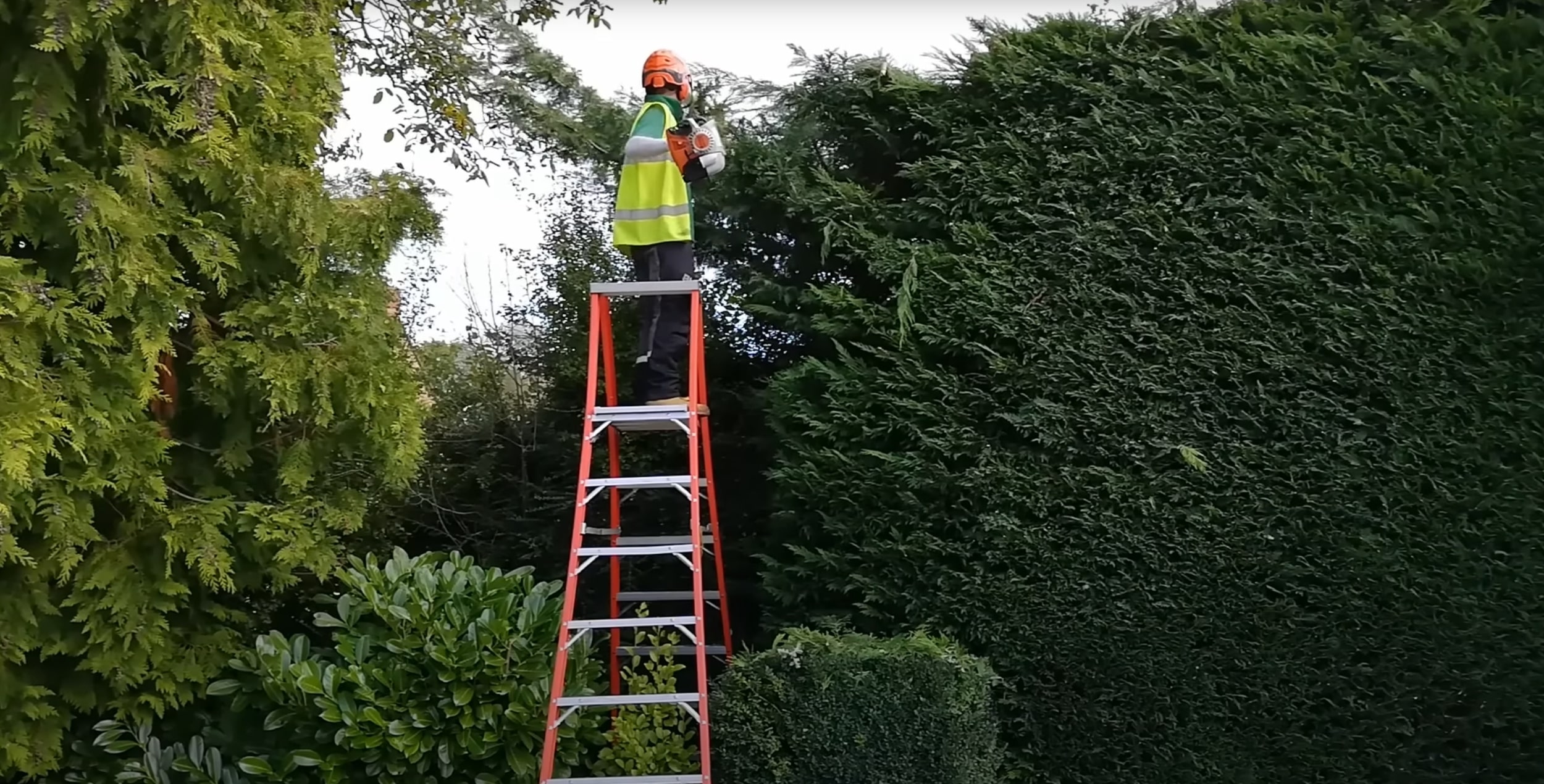
Your trees need regular maintenance just like any other valuable part of your property. Proper trimming and pruning keeps trees healthy, attractive, and safe for years to come. At ProgressPoint Lakewood Tree Service, we provide professional tree care that protects your investment and enhances your landscape.
Trees left untrimmed develop problems that worsen over time. Dead branches become hazards that can fall during storms or high winds. Overgrown limbs may scrape against your roof, damage gutters, or break windows. Dense canopies block sunlight and airflow, creating ideal conditions for disease and pest infestations. Branches growing too close to power lines pose serious safety risks and may cause outages.
Beyond safety, regular trimming improves tree health and appearance. Strategic pruning removes diseased or damaged wood before problems spread. Thinning the canopy allows more light to reach inner branches and ground below. Shaping encourages proper growth patterns and maintains the natural beauty of each species. Well-maintained trees also add significant value to your property and make your entire landscape look more polished and inviting.
Our Professional Pruning Techniques
Crown Cleaning and Deadwood Removal
Crown cleaning is the most basic and essential form of tree pruning. We carefully remove dead, dying, diseased, or broken branches throughout the tree canopy. This preventive maintenance eliminates hazards before they become problems. Removing deadwood also improves tree health by preventing decay organisms from spreading to healthy tissue. We inspect every major branch and make clean cuts that heal properly without leaving stubs or tearing bark.
During crown cleaning, we also remove weak branch attachments, crossing limbs that rub together, and water sprouts that waste the tree energy. These small corrections make a big difference in long-term tree structure and vitality. Most trees benefit from crown cleaning every two to three years, though this varies by species and growing conditions in your yard.
Crown Thinning and Shaping
Crown thinning selectively removes branches to reduce density without changing the overall size or shape of the tree. This technique improves light penetration and air circulation through the canopy. Better airflow helps prevent fungal diseases that thrive in damp, still conditions. Increased sunlight benefits both the tree and plants growing underneath. Professional tree pruning maintains tree health while enhancing appearance.
We also provide crown shaping to maintain or restore the natural form of your trees. This is especially important for ornamental species where appearance matters most. We never top trees or make arbitrary cuts that destroy their natural shape. Instead, we work with the tree natural growth pattern to enhance its beauty while keeping it healthy and structurally sound.
Crown Raising and Reduction
Crown raising removes lower branches to provide clearance for buildings, vehicles, pedestrians, or sight lines. This is common near driveways, sidewalks, and street-facing trees. We make clean cuts at proper locations to maintain tree health while achieving the clearance you need.
Crown reduction carefully decreases tree height or spread by pruning back to lateral branches. This is useful when trees have outgrown their space but you want to keep them rather than remove them completely. Reduction pruning requires expertise to maintain tree structure and health. Poor reduction work can create weak growth patterns and long-term problems. Our certified arborists know exactly where to make cuts for the best results.
When to Schedule Tree Trimming
Timing matters when it comes to tree pruning. Different seasons offer different advantages depending on your goals. Here is what you need to know about scheduling tree work in the Lakewood area:
- Winter Dormancy: Late fall through early spring is ideal for most pruning work. Trees are dormant with no leaves, making it easier to see branch structure. Cuts made during dormancy heal quickly when spring growth begins.
- Summer Maintenance: Light trimming during summer can control growth and remove hazards. However, we avoid heavy pruning when trees are actively growing and using stored energy reserves.
- After Storms: Emergency trimming is necessary any time of year when storms damage branches or create safety hazards.
- Species Considerations: Some trees have specific timing requirements. For example, oaks should not be pruned during certain months when beetle-transmitted diseases are most active.
- Young Trees: Training pruning for young trees establishes good structure early. This prevents problems and reduces the need for major corrective work later.
- Flowering Trees: Prune spring-flowering trees right after they bloom. Trees that flower in summer can be pruned in late winter or early spring.
Not sure when to trim your specific trees? We can evaluate your trees and recommend the best timing based on species, health, and your goals. Many customers schedule regular maintenance on an annual or biennial cycle to keep trees in optimal condition year-round. This proactive approach prevents problems and costs less than dealing with major issues later. We also offer complementary services like stump grinding if removal becomes necessary.